Eating right has a profound effect on your risk for chronic diseases such as diabetes and cancer. Choosing healthy foods is simple and leads to a longer, better life.
Smart food choices lower your risk of heart disease and high blood pessure. Reaching a healthy weight has real benefits in a lower risk of type 2 diabetes and many types of cancer. Everything you eat matters.
The Basics of Healthy Eating
These basic guidelines have been shown over and over again to deliver better health and lower risk of disease over time. They're also the best place to start for managing your weight.
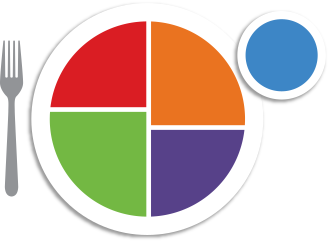
- Make half your plate fruits and vegetables. Focus on whole fruits rather than juices. Eat a variety of vegetables in all colors. Try these recipes
- Choose fish and poultry over red meat.
- Limit high-fat dairy, such as cheese, cream cheese, and ice cream. Move toward milk or yogurt instead.
- Choose whole grains. Look for "100% Whole Grain" or "100% Whole Wheat" on package labels. Foods like oatmeal, whole grain pearled barley, buckwheat and brown rice are all excellent whole grain choices.
- Choose baked over fried, and eat sweets and desserts sparingly.
- Drink and eat less saturated fat, salt (sodium), and added sugars. This includes sugar-sweetened drinks. Limit fruit juice to one serving a day.
Find the Eating Plan Just for You
Use MyPlate Plan, below, to select a food plan that fits your age and activity level. Fill in the basics, then choose a plan to keep your current weight, or reach a healthier weight.
 Get the appEating plans, tips and much more to make your meals work for you.
Diets for Health and Weight Loss

Check out the DASH Diet for a proven eating plan for heart health, general health, and weight control.
- More about the DASH diet Mayo Clinic
The Mediterranean eating plan emphasizes some of the same healthful eating approaches and is a good choice for flavorful, lifelong healthy eating.
- About the Mediterranean Diet Mayo Clinic
- Mediterranean Eating for the Whole Family Academy of Nutrition and Dietetics
Tips for Managing Weight
Reaching a healthy weight has a big influence on your health and well-being, and unfortunately, most Mississippians are overweight or obese. Here's how to change that.
- Eat healthy foods in smaller portions and be as active as you can. Exercise and careful eating work together to give better results than either one alone. Use a calorie calculator to determine what amount of food will help move toward a healthy weight.
- Your weight loss diet should also be a healthy everyday diet. Being able to stick with a wise eating plan for life is essential to long-term success. Choose a diet of healthy foods like the DASH or Mediterranean plans above.
- Avoid extreme diets that emphasize one type of food. High-fat diets, all-protein diets and others are poor choices for long-term health.
- Make food changes as a family. When the whole family adopts the same good eating plan, there's more support for sticking with it. Plus, the whole family benefits.
- Make small changes and stay with them. Set a reasonable target for gradual weight loss that you can manage. Don't be unrealistic.
- Track your progress. Keep track of the food you eat every day and how your weight changes each week.
More
- Weighing Right for Your Height: Setting your target weight
- Ways to get active: adding more activity to your day for better health
More Healthy Eating Resources
- MyPlate Plan: Custom eating plans, nutrition basics, shopping tips and more
- Healthy Habits for Healthy Kids: Family tips for healthier foods and mealtimes
- Healthy eating for seniors: Nutritional topics from the National Institutes of Health
- Food and Activity Guides and much more from Healthfinder.gov
- eatright.org Great food ideas and information from the Academy of Nutrition and Dietetics
- Healthy Cooking and Healthy Eating Out: Tips for better eating on full color handouts (PDF)
- MSDH nutrition resources: an extensive library of tools and information for adults, parents, caregivers and professionals