Congenital disorders (birth defects) are an abnormality of body structure, function or chemistry present at birth that results in physical or mental disabilities.
Congenital disorders are the leading cause of death in the first year of life. While there are thousands of possible types of disorders that range from mild to life threatening, Down syndrome and cleft lip or cleft palate are the most common in the United States.
While all the causes of congenital disorders are not known, some disorders can be prevented. Actions you and your doctor take can help prevent congenital disorders and make a better life for your baby.
Some congenital disorders can be prevented
- Avoiding alcohol and smoking, and ensuring proper nutrition during pregnancy can prevent birth disorders caused by environmental factors.
- Identifying certain genes in the parents before a baby is conceived can prevent inherited disorders.
It's vital to visit your doctor before you become pregnant in order to identify and treat conditions that can pose a risk in pregnancy. A doctor can give advice on the lifestyle factors before and during pregnancy that can contribute to or reduce the risk of congenital disorders.
5 Tips for Preventing Birth Disorders
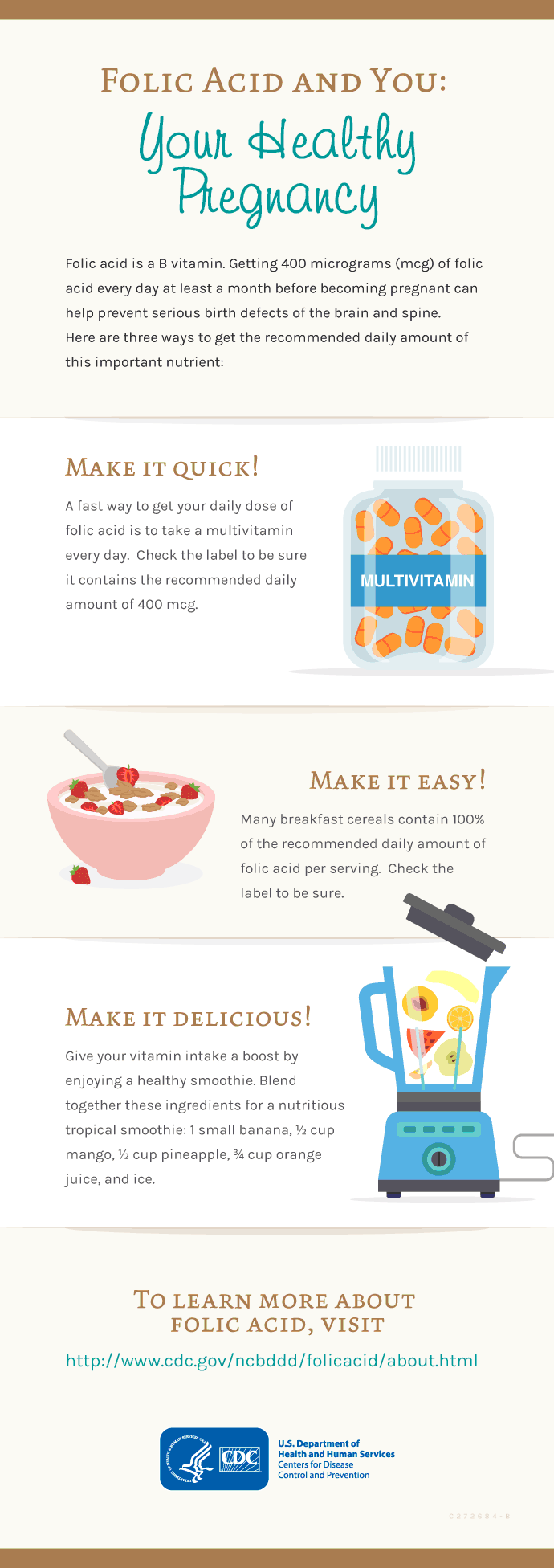
- Folic acid: Take a multivitamin or supplement with 400 micrograms (mcg) of folic acid every day. See below
- Defend yourself: Stay up-to-date with all vaccines, including the flu shot.
- Get fit: Before getting pregnant, try to reach a healthy weight. Stay active while you're pregnant, and eat with your baby's health in mind.
- Good habits: Avoid harmful substances during pregnancy, such as alcohol, tobacco and other drugs.
- Medications: Visit your healthcare provider before stopping or starting any medicine.
Guard against infections
Infections can affect the health of your developing baby and lead to birth defects. During pregnancy, take these measures to keep your risk of infections low.
More about specific conditions
- Congenital Heart Defects
- Trisomy 13 (Patau Syndrome)
- Trisomy 18 (Edwards Syndrome)
- Trisomy 21 (Down Syndrome)
Fact Sheets and Other Resources
- Ten Things to Know About Birth Defects
- Folic Acid and Why You Need It
- Five Things to Know About Congenital Heart Defects
- Los Defectos de Nacimiento
- More fact sheets, posters and resources