The Mississippi State Department of Health works to address the impact of tobacco use through the Office of Tobacco Control (OTC). As established by Section 41-113-3 of the Mississippi Code of 1972, OTC is charged with developing and implementing a comprehensive statewide strategy that includes tobacco education, prevention, and cessation programs.
The mission of the Office of Tobacco Control is to promote and protect the health of all Mississippians by reducing tobacco-related disease and death. OTC utilizes a systemic approach to achieve this end as outlined in the Centers for Disease Control and Prevention's (CDC) and Best Practices for Comprehensive Tobacco Control Programs. The program components include:
- Community Interventions and Programs
- Tobacco Cessation Interventions
- Surveillance and Evaluation
- Administration and Management
Each program is developed and implemented based on evidence-based strategies and the recommendations outlined by the CDC.
Tobacco use is the leading preventable cause of disease and death in the United States. In Mississippi, 5,400 adults die each year from smoking, and 192,000 children are exposed to secondhand smoke at home.
Program Activities
Community Interventions and Programs
Mississippi Tobacco-Free Coalitions
The Office of Tobacco Control (OTC) implements a range of integrated programs to encourage and support tobacco-free lifestyles. The OTC provides funding for the 34 Mississippi Tobacco-Free Coalitions (MTFCs) that cover the 82 counties of the state and implement tobacco control programs at the grassroots level. The MTFCs are community-based coalitions that work to educate municipalities and schools regarding smoke-free air, prevent the initiation of tobacco use among youth, reduce exposure to secondhand smoke, promote cessation services, and eliminate tobacco-related disparities.
Statewide Programs and Partners
Through the Tobacco-Free Mississippi initiative, the Office of Tobacco Control works with physicians and health associations to incorporate the U.S. Public Health Service's Clinical Practice Guideline recommendations for treating tobacco use into their clinical practices. The initiative's statewide programs include:
- Community Health Center Association of Mississippi : Engaging Mississippi's Federally Qualified Health Centers
CHCAMS and OTC collaborate to engage Mississippi's federally qualified health centers by offering evidence-based best practices for treating tobacco use and dependence in community health center settings.
More information can be found at the Community Health Center Association of Mississippi. - Mississippi Academy of Family Physicians Foundation: Engaging Mississippi's Family Physicians
MAFPF and OTC partner to engage family physicians by training staff at family physician clinics on how to "Ask, Advise, and Refer" tobacco users to appropriate treatment.
More information can be found at the Mississippi Academy of Family Physicians. - Baby and Me Tobacco Free Program
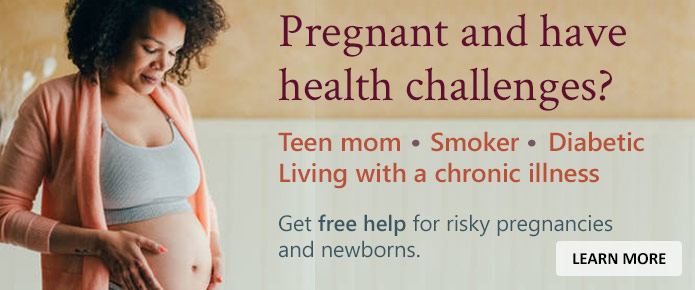
The Baby and Me Tobacco Free Program and OTC collaborate to inspire and empower pregnant women and their families to overcome nicotine addiction and work to support communities in disrupting the generational impacts of tobacco through counseling, biomarker feedback, and contingency management. The program is an evidence based, smoking cessation program proven to reduce the burden of tobacco on the pregnant and postpartum population.
- More than 1 in 3 adults (36%) with a mental illness smoke cigarettes, compared with about 1 in 5 adults (21%) with no mental illness.
- About 3 of every 10 cigarettes (31%) smoked by adults are smoked by adults with mental illness.
- Nearly 1 in 5 adults (or 45.7 million adults) have some form of mental illness.
More information can be found at Vital Signs for Adult Smoking.
Tobacco-Free Mississippi participants have also received assistance to implement policy and systems changes such as:
- A tobacco-free campus policy
- Provider training on the treatment of tobacco use and dependence
- A patient referral system to the Mississippi Tobacco Quitline and ACT Centers
Youth Programs
Youth tobacco prevention programs are implemented statewide to deter the initiation of tobacco use among school-age and college youth. The Office of Tobacco Control incorporates youth programs into community-based coalitions and organizations throughout the state and provides youth advocacy and empowerment opportunities for junior high, high school and college students.
While youth cigarette use has gone down, progress in reducing tobacco use and related death and disease has not been equal. Tobacco use and related diseases affect certain populations more than others. Tobacco use unevenly affects lower-income and less-educated communities; racial and ethnic populations; and the lesbian, gay, bisexual, and transgender (LGBT) communities. Social determinants of health, such as a lack of food, poor nutrition, violence, poor education, lack of access to healthcare and low household income, undermine health and the ability to achieve good health. In addition, Adverse Childhood Experiences (ACEs) like poverty, homelessness and hunger can affect health into adulthood. Experiencing four or more ACEs during childhood is associated with an increased risk for seven out of ten leading adult causes of death, including heart disease, stroke, cancer, COPD, diabetes, Alzheimer's and suicide.
Current youth tobacco prevention efforts focus on the populations most affected by tobacco use: students with low income, poor nutrition, those living with homelessness, those living in rural areas, and minority populations. Engaged youth across the state are participating in tobacco prevention activities to drive local change and awareness, with an overall goal of reducing tobacco use and reducing future tobacco related disease and death.
- Health Equity in Mississippi
- Secondhand Smoke Exposure by Race/Ethnicity | Spanish
- Tobacco-Related Health Disparities
E-Cigarettes and Vaping
Use of any form of tobacco product by youth is unsafe, including e-cigarettes. The increase in e-cigarette use is alarming because youth nicotine use can lead to addiction and can harm the developing brain, impacting learning, memory, and attention. Please see our E-cigarette resources for more information.
Catch My Breath
CATCH My Breath is a peer-reviewed, evidence-based youth vaping prevention program developed by The University of Texas Health Science Center at Houston (UTHealth) School of Public Health. The program provides up-to-date information to teachers, parents, and health professionals to equip students with the knowledge and skills they need to make informed decisions about the use of e-cigarettes, including Juul and disposable devices. CATCH My Breath utilizes a peer-led teaching approach and meets National and State Health Education Standards.

Tobacco Cessation Interventions
The Mississippi Tobacco Quitline
The Mississippi Tobacco Quitline is an evidence-based, tobacco cessation treatment program that has services available to adult residents of the state of Mississippi who are motivated to quit using tobacco products. The program is available by the telephone and also in a web-based format to deliver counseling and nicotine replacement therapy (the patch and gum) at no cost to participants. All staff are Master's Level counselors who deliver effective behavior modification therapy. Both counseling and medications are effective, but when combined, tobacco users are twice as likely to quit for good.
- Participant Quitline Flyer
- Support Referrals to Smoking Cessation Programs for Providers
- Intervention and Referral TrainingFor MSDH employees only
- More about the Mississippi Tobacco Quitline
(1-800-QUIT-NOW)
The ACT Center for Tobacco Treatment, Education, and Research

The ACT Center is an evidence-based, tobacco cessation treatment program that has services available to adult residents of the state who are motivated to quit using tobacco products. The program is delivered via an in-person, group setting and nicotine replacement therapy (NRT) and medications are available at no cost to participants. The ACT Center in in Jackson, Mississippi. All counselors are Certified Tobacco Treatment Specialists (CTTS). For more information, please call 601-815-1180.
Surveillance and Evaluation
The Office of Tobacco Control implements a surveillance and evaluation system to monitor and provide short-term, intermediate and long-term interventions to influence program and policy direction, ensure accountability, and demonstrate effectiveness. The Office of Tobacco Control uses the knowledge and skills of public health experts and academic researchers to ensure advanced surveillance and evaluation practices are employed. State-specific tobacco control surveillance and evaluation data can be accessed at www.MSTobaccoData.org. Additional sources for data and statistics are listed below.

Administration and Management
According to the Centers for Disease Control and Prevention's Best Practices for Comprehensive Tobacco Control Programs:
The Office of Tobacco Control employs the following measures to ensure effectiveness:
- Engaging in strategic planning to guide program efforts and resources to accomplish their goals.
- Recruiting and developing qualified and diverse technical, program and administrative staff.
- Awarding and monitoring program contracts and grants, coordinating implementation across program areas, and assessing grantee program performance.
- Developing and maintaining a real-time fiscal management system that tracks allocations and expenditure of funds.
- Increasing capacity at the local level by providing ongoing training and technical assistance.
- Creating an effective communication system internally, across chronic disease programs, and with local coalitions and partners.
- Educating the public and decision makers on the health effects of tobacco and evidence-based effective program and policy interventions.
Tobacco Control Resources
Reports
- Mississippi Tobacco Control Strategic Framework 2019-2023
- Office of Tobacco Control Annual Report
- Mississippi Youth Tobacco Survey Data
- 2020 Surgeon General's ReportSmoking Cessation
- 2014 Surgeon General's ReportThe Health Consequences of Smoking: 50 Years of Progress
- More reports
Fact Sheets & Brochures
- Tobacco-Related Fact SheetsSecondhand Smoke, Tobacco Tax, and more
- BrochuresWomen and Tobacco, Workplace Smoking, and others
More Resources
MSDH Office of Tobacco Control
805 South Wheatley Blvd., Suite 400
Ridgeland, MS 39157
Office: 601-991-6050 Toll-free: 1-866-724-6115
Fax: 601-956-4981