Home
Listeriosis

LISTERIOSIS
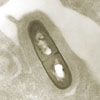
Image courtesy of the CDC's Public Health Image Library

About the Disease

Listeriosis is a potentially serious food-borne disease. Since pregnant women are about 20 times as likely to get the disease if exposed to it, they must be very careful to follow general safe-food guidelines as outlined below, such as washing all vegetables thoroughly and avoiding smoked fish. It is possible to transmit the disease from mother to unborn child, if the mother eats something contaminated with listeriosis while she is pregnant.


AT A GLANCE
What it is: Caused by the bacterium Listeria monocytogenes, listeriosis is typically a food-borne disease. It is not a common disease (about 2,500 people become seriously infected with it in the U.S. every year) but when it does occur it is serious and requires hospitalization.

Transmission: The bacterium is found in soil and water. Vegetables can become contaminated from the soil or from manure used as fertilizer for the vegetables.

Animals may carry the bacteria without appearing sick, creating infected meat and dairy products.

People get listeriosis by eating food contaminated with the bacteria. Babies may be born with the disease if their mothers ate contaminate food during pregnancy.

Symptoms: A variety of symptoms may be present, including fever, difficulty breathing, vomiting, general tiredness, and irritability. Diarrhea is the most commonly reported symptom. Listeria infection may lead to pneumonia, meningitis or sepsis, which is an infection of the blood.

Prevention: Thoroughly cook raw food from animal sources. Thoroughly wash all vegetables before eating. Do not drink unpasteurized milk. Wash hands after handling raw meat, as well as all cutting boards, knives, etc. Eat perishable and ready-to-eat foods as soon as possible.

Pregnant women should be especially careful with food preparation and what they eat.

There have been documented cases of listeriosis being transmitted through a variety of foods: cold cuts, soft-ripened cheese, milk, undercooked chicken, uncooked hot dogs, shellfish, and coleslaw made from contaminated cabbage.

Treatment: Listeriosis is a serious disease. Hospitalization is required.

^ Top


LINKS
Other web sites
Centers for Disease Control and Prevention
Food Safety and Inspection Service, U.S. Department of Agriculture
March of Dimes

^ Top


CONTACT

Find out more
You can also contact your local health office, or call our Health Info Hotline at 1-866-HLTHY4U (1-866-458-4948).

^ Top

 
      email this page    print this page print this page