| MEASLES |
 |
About the Disease Measles is an acute, infectious viral disease caused by an RNA virus of the genus Morbillivirus. There have been fewer than 500 cases reported annually in the U.S. since 1993, and fewer than 200 cases per year reported since 1997. There have been no confirmed measles cases in Mississippi since 1992. | | | |
| AT A GLANCE |
 |
What it is: Measles is a virus found throughout the world. It is very rare in the United States. |
 |
Transmission: Measles is highly contagious, and usually spreads from person to person through the air. Measles can linger in a closed area for up to two hours after an infected person has occupied the area. It can be transmitted from four days prior to four days after the rash first appears. |
 |
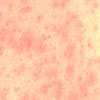
Symptoms: Symptoms of measles can occur suddenly. The first symptoms are high fever and cough, followed by a rash that begins on the face, spreading throughout the whole body, and then a runny nose and watery eyes.
Measles can cause life-threatening pneumonia, brain inflammation, middle-ear infections, severe diarrhea, and death. The average time between exposure to the measles virus and the development of symptoms is usually between 10 and 14 days. |
 |
Prevention: There is a safe and effective vaccine available. Although the measles virus is rare in the United States, it is more prevalent in many other countries throughout the world, so those who travel outside of the U.S. are at increased risk of exposure, and should be immunized. |
 |
Treatment: The live measles vaccine may prevent the disease if given within 72 hours of exposure. Immune globulin may prevent the disease if given within six days of exposure. | |
^ Top | |
| CONTACT |
|
Find out more For further information, contact your local health office, or call our Health Info Hotline at 1-866-HLTHY4U (1-866-458-4948).
^ Top | | | |